

Thyroid Medication Versus Lifestyle Changes

A normal TSH result can feel like the end of the conversation, even when you are still exhausted, gaining weight, losing hair, or struggling to think clearly. That is why thyroid medication versus lifestyle changes is not a simple debate. For many people, the most helpful path is not choosing one side. It is understanding what each approach can do, what it cannot do, and how to use both safely.
Thyroid medication can be necessary and life-changing. Lifestyle changes can help address the factors that influence inflammation, immune activity, nutrient status, stress resilience, and everyday symptoms. You deserve care that takes both your lab results and your lived experience seriously.
Thyroid Medication Has an Important Place
When your thyroid is underactive, your body may not produce enough thyroid hormone to support core functions such as energy production, temperature regulation, digestion, heart rate, and metabolism. Medication is designed to replace or supplement the hormone your body needs.
For overt hypothyroidism, particularly when TSH is elevated and free T4 is low, thyroid hormone replacement is often appropriate. It can protect your health and relieve symptoms that come from too little thyroid hormone. People who have had thyroid surgery, radioactive iodine treatment, congenital hypothyroidism, or significant thyroid gland damage may need medication long term.
This is not a personal failure, and it does not mean you have done anything wrong. Taking thyroid medication can be a wise, supportive choice. Natural care is not about refusing conventional medicine. It is about asking a bigger question: why are symptoms present, and what else may be affecting thyroid health?
Medication also requires thoughtful monitoring. The right dose for one person may not be right for another, and needs can change with pregnancy, menopause, weight changes, illness, digestive issues, and other medications. Never stop, start, or adjust thyroid medication on your own. Work with the prescribing clinician and use follow-up labs to guide decisions.
Where Medication May Fall Short
Thyroid hormone replacement can correct a hormone deficiency, but it does not automatically resolve every driver of thyroid symptoms. This is especially true for people with Hashimoto's thyroiditis, an autoimmune condition in which the immune system targets thyroid tissue.
A person can have a TSH that falls within the reference range and still experience fatigue, constipation, anxiety, poor sleep, joint pain, brain fog, or difficulty managing weight. Sometimes the issue is medication timing, dose, or the need for a more complete thyroid workup. Sometimes it is not the thyroid alone.
Iron deficiency, low vitamin D, inadequate B12, blood sugar swings, perimenopause, chronic stress, sleep disruption, food sensitivities, digestive dysfunction, and inflammation can all create symptoms that overlap with hypothyroidism. Thyroid antibodies may also be elevated even when standard thyroid hormone labs look relatively stable.
This is where a root-cause lens matters. Medication may be one piece of your care, but it should not prevent you from looking for the factors that are keeping you unwell.
Thyroid Medication Versus Lifestyle Changes Is the Wrong Frame
The word “versus” suggests that you must choose between a prescription and a natural approach. In real life, the better question is often: what does my body need right now?
If your thyroid hormone levels are low, lifestyle changes alone may not restore enough hormone quickly or safely. Trying to “heal naturally” while ignoring clear hypothyroidism can leave you feeling worse and may carry real health risks. On the other hand, relying on medication alone while dismissing nutrition, stress, sleep, and immune health can leave meaningful progress on the table.
An integrative plan respects both realities. It uses medication when indicated while supporting the terrain that influences how you feel and, for people with Hashimoto's, potentially the inflammatory and immune patterns behind the condition.
That approach is also more compassionate. Your body is not a problem to force into submission. It is giving you information. Persistent symptoms are an invitation to look closer, not a reason to blame yourself or accept feeling unwell as your permanent normal.
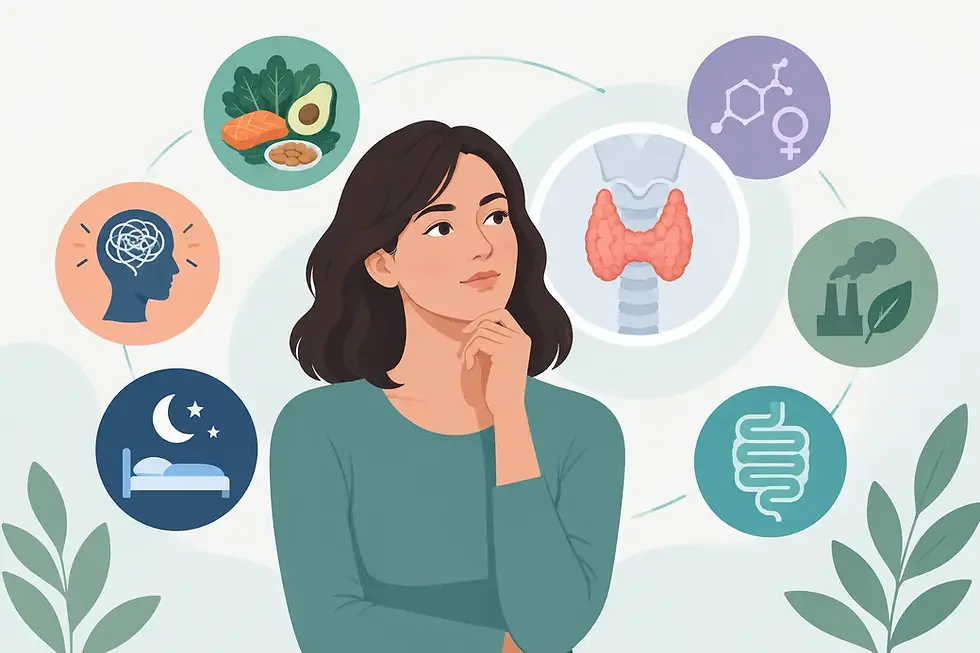
Lifestyle Changes That Can Support Thyroid Health
Lifestyle support works best when it is personalized. You do not need to overhaul your life overnight or follow a rigid protocol you cannot sustain. Begin with the areas most likely to make a meaningful difference for you.
Nourish, Do Not Undereat
Many people with thyroid symptoms have spent years restricting calories, skipping meals, or jumping from one diet to another. Under-fueling can add stress to a body that is already struggling with energy.
Aim for consistent meals with protein, fiber-rich carbohydrates, colorful produce, and nourishing fats. Protein at breakfast can be particularly helpful for steadier energy and fewer blood sugar crashes. If you suspect foods are worsening digestive or inflammatory symptoms, work with a qualified practitioner rather than eliminating broad food groups indefinitely.
Nutrients matter, too. Selenium, zinc, iron, iodine, vitamin D, magnesium, and B vitamins all play roles in thyroid function or immune health. But more is not always better. Iodine can be especially nuanced in Hashimoto's, and high-dose supplementation may worsen symptoms for some people. Test when possible, and supplement with guidance.
Support Sleep and Stress Recovery
Stress does not cause every thyroid condition, but prolonged stress can influence immune balance, blood sugar regulation, digestion, and sleep. Those effects can make thyroid symptoms feel much harder to manage.
Instead of telling yourself to “stress less,” create small signals of safety for your nervous system. A short walk outside, a consistent bedtime, gentle strength training, breathing practices, prayer, journaling, or reducing late-night screen exposure can be powerful when practiced consistently. The goal is not perfection. It is giving your body more opportunities to recover.
Look at Your Environment and Daily Inputs
For those with Hashimoto's or elevated thyroid antibodies, reducing unnecessary inflammatory burdens can be worthwhile. This may include choosing cleaner personal-care and home products when practical, filtering drinking water based on your local needs, improving indoor air quality, and minimizing highly processed foods.
These changes are not meant to create fear around every product in your home. They are simple lifestyle swaps that can reduce your overall exposure over time. Start with what feels manageable, such as switching one cleaning product or bringing a balanced lunch to work more often.
Address Digestion and Inflammation
The gut and immune system are closely connected. Bloating, reflux, constipation, loose stools, or abdominal pain deserve attention, especially when they occur alongside thyroid symptoms. Digestive concerns can affect nutrient absorption and may point to issues that need further evaluation.
A clinician can help determine whether testing or targeted support makes sense. This is more useful than guessing or taking a cabinet full of supplements. Natural therapies are most effective when they are connected to your history, symptoms, labs, medications, and goals.
How to Build an Integrated Thyroid Plan
Start by getting clear on your data. Ask for a thoughtful conversation about TSH, free T4, free T3 when clinically appropriate, thyroid peroxidase antibodies, thyroglobulin antibodies, and nutrient markers that may relate to your symptoms. Not every test is necessary for every person, but you have every right to understand what has and has not been assessed.
Then, track your symptoms with context. Notice your energy, sleep, bowel habits, mood, cycle changes, temperature tolerance, hair loss, and medication timing. Patterns can help distinguish a thyroid issue from a blood sugar, stress, digestive, or hormonal concern.
Finally, choose one or two realistic lifestyle priorities while continuing prescribed care. For example, you might focus on eating a protein-rich breakfast and creating a consistent sleep routine for the next month. Small, repeatable actions often create more change than an intense plan that lasts one week.
When to Seek Medical Support Promptly
Do not assume every symptom is something to manage with supplements or lifestyle changes. Seek timely medical care for chest pain, fainting, severe shortness of breath, a rapid or irregular heartbeat, significant neck swelling, severe depression, or thoughts of self-harm. Pregnancy and postpartum changes also require close thyroid monitoring, since medication needs can shift quickly.
If you take levothyroxine or another thyroid hormone medication, ask your clinician or pharmacist about timing. Iron, calcium, certain antacids, fiber supplements, and some foods can interfere with absorption when taken too close to medication. A simple timing adjustment can sometimes make a meaningful difference.
You do not have to choose between honoring medical science and honoring your body's ability to heal. Medication can provide essential hormone support. Lifestyle changes can help create the conditions for better energy, lower inflammatory burden, and a deeper understanding of what your body has been asking for. You hold the power to become an informed, active partner in your thyroid care.


Comments