

How to Support Thyroid Conversion to Active T3

A normal TSH result does not always explain why you still feel exhausted, cold, foggy, or unlike yourself. For many people, the missing piece is not simply how much thyroid hormone their body makes, but how well it can support thyroid conversion from stored T4 into active T3 - the form that helps regulate energy, temperature, digestion, mood, and metabolism.
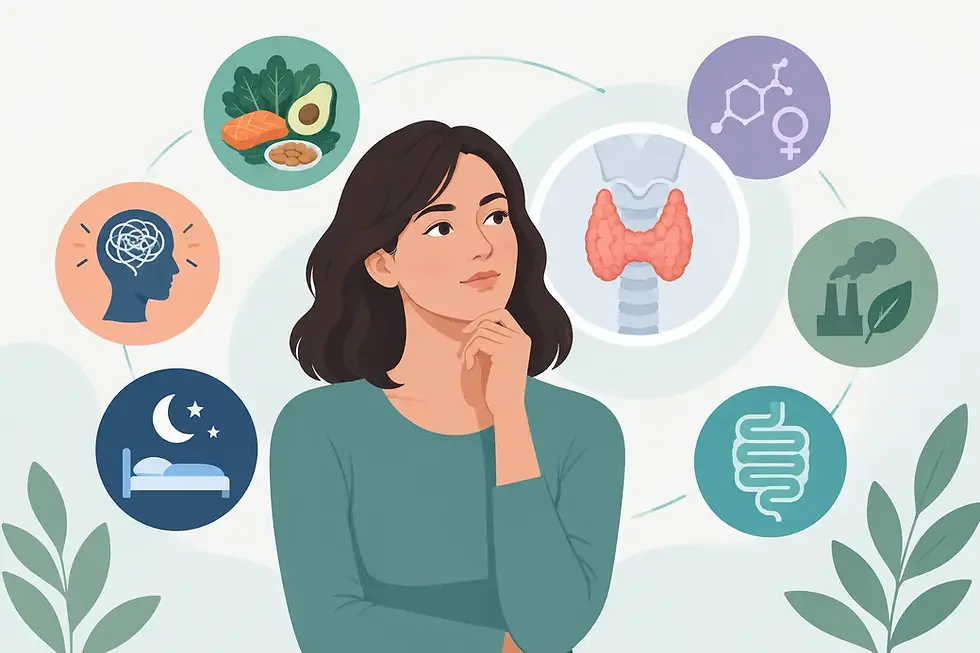
This is not a reason to panic or start changing medication on your own. It is a reason to ask better questions. Thyroid conversion is influenced by nutrition, stress, inflammation, blood sugar, gut health, liver function, medications, and the bigger picture of your health. When you understand those influences, you can become a more confident advocate for the care you deserve.
What Thyroid Conversion Actually Means
Your thyroid gland produces mostly thyroxine, called T4. Think of T4 as a storage form of thyroid hormone. Your tissues must convert it into triiodothyronine, or T3, so your cells can use it.
Much of this conversion occurs outside the thyroid itself, especially in the liver, kidneys, muscles, and other tissues. That is why a thyroid conversation should not stop at the thyroid gland. The body needs adequate raw materials, healthy signaling, and enough overall resilience to activate and use thyroid hormone effectively.
There is also a pathway that converts T4 into reverse T3. Reverse T3 is inactive. During acute illness, major stress, under-eating, or other periods when the body is trying to conserve energy, more T4 may be directed down this pathway. Reverse T3 testing can be useful in select clinical situations, but it is not a stand-alone answer for every person with thyroid symptoms. Results need to be interpreted in the context of your symptoms, medications, complete thyroid panel, and overall health history.
Why T4-to-T3 Conversion Can Slow Down
Your body is designed to prioritize survival. If it perceives that resources are scarce or that you are under sustained strain, it may be less willing to invest in the metabolic pace associated with active T3.
Chronic dieting is a common example. Skipping meals, dramatically cutting calories, or relying on intense exercise while already depleted may leave you feeling wired but tired, cold, and stuck. This does not mean every person needs the same meal plan or should avoid exercise. It means your thyroid needs to be considered alongside your actual energy needs, activity level, and health goals.
Inflammation can also affect thyroid hormone metabolism. For someone with Hashimoto's, this may be connected to elevated thyroid antibodies, unmanaged blood sugar swings, digestive concerns, an inflammatory diet pattern, chronic infections, poor sleep, or environmental exposures. The goal is not to blame yourself for having inflammation. It is to gently identify what may be keeping your immune system and stress response on high alert.
Low iron stores deserve particular attention. Iron is needed for thyroid hormone production and conversion, and low ferritin can contribute to fatigue, hair shedding, shortness of breath, restless legs, and poor exercise tolerance. Heavy periods, restrictive eating, digestive absorption issues, and pregnancy can all affect iron status. Supplementing blindly is not the answer, since too much iron can also be harmful. Testing and individualized guidance matter.
Nourish the Nutrients That Support Thyroid Conversion
Food is not a magic fix, but it gives your body daily information about safety, nourishment, and energy availability. A steady foundation often starts with adequate protein, colorful plants, nourishing fats, and carbohydrates that work for your body rather than against it.
Selenium and zinc are two nutrients frequently discussed in thyroid health. Selenium supports antioxidant systems and thyroid hormone metabolism, while zinc plays a role in thyroid signaling and immune function. Foods such as seafood, eggs, meat, poultry, beans, pumpkin seeds, and Brazil nuts can contribute, depending on your dietary pattern. Brazil nuts are highly concentrated in selenium, so more is not better. A supplement plan should be based on your diet, labs, and clinical needs.
Iodine requires even more nuance, especially with Hashimoto's. Your thyroid needs iodine to make hormone, but excessive iodine intake can aggravate thyroid autoimmunity in some people. High-dose iodine protocols are not a casual wellness experiment. If you use iodized salt, sea vegetables, a multivitamin, or a thyroid supplement, look at the total amount rather than assuming every source is harmless.
Magnesium, vitamin D, B vitamins, and omega-3 fats may also matter for energy, immune regulation, sleep, and stress resilience. The best plan is rarely a cabinet full of supplements. It is a focused approach that addresses confirmed deficiencies and fits your medication plan.
Support Thyroid Conversion With a Calmer Daily Rhythm
You cannot supplement your way out of a life that is asking too much from your nervous system. Stress is not imaginary, and this is not a suggestion to simply relax. It is an invitation to build small, repeatable signals of safety into your day.
Start with the basics: eat regularly enough to avoid constant blood sugar crashes, get morning light when possible, and create a realistic wind-down routine before bed. A consistent sleep schedule can be more helpful than chasing perfection. If intense workouts leave you depleted for days, consider whether walking, strength training, gentle cycling, or restorative movement would serve your body better right now.
Blood sugar stability is particularly relevant for people who feel shaky, irritable, or exhausted between meals. Pairing carbohydrates with protein, fiber, and fat can create a steadier energy curve. For example, fruit alongside yogurt or eggs with toast may be more supportive than coffee alone followed by a midmorning crash.
Digestive health matters, too. Constipation, reflux, bloating, or food reactions can be signs that your system needs attention. The liver and gut both participate in hormone processing, but there is no need for harsh cleanses or extreme detox programs. Regular bowel movements, adequate hydration, fiber you tolerate, and enough protein are far more useful starting points.
The Labs That Can Clarify the Picture
If you have persistent symptoms, it may be worth asking your clinician to look beyond TSH alone. A fuller evaluation may include TSH, free T4, free T3, and thyroid antibodies such as TPO antibodies and thyroglobulin antibodies when Hashimoto's is suspected or already diagnosed.
Depending on your history, it can also be reasonable to discuss ferritin and a complete iron panel, vitamin D, B12, folate, a complete blood count, metabolic markers, and blood sugar markers. Your provider may recommend other testing based on symptoms, digestive history, menstrual changes, medications, or family history.
Lab ranges are reference ranges, not a complete description of how you feel. At the same time, symptoms alone cannot tell us exactly what is happening with conversion. The most empowering approach combines your lived experience with thoughtful testing and clinical context.
Medication and Natural Support Can Work Together
If you take levothyroxine or another thyroid medication, continue taking it exactly as prescribed unless your prescribing clinician advises otherwise. Timing can matter: calcium, iron, certain supplements, coffee, and some foods may interfere with thyroid medication absorption. Ask your pharmacist or prescriber for instructions specific to your prescription.
Some people continue to have symptoms despite treatment and wonder whether T3-containing medication is appropriate. For a carefully selected person, that may be a worthwhile discussion. For others, the issue may be absorption, iron deficiency, sleep disruption, under-fueling, inflammation, another hormone imbalance, or a non-thyroid cause of fatigue. There is no single medication answer that fits everyone.
Natural strategies are not in competition with conventional care. They can help create the conditions your body needs to use thyroid hormone well while you and your medical team make informed decisions about treatment.
You do not have to accept ongoing symptoms as your permanent reality, and you do not have to chase every trend to feel better. Begin with the next useful question: What is my body asking for that has not yet been fully explored? That question can lead you back to clarity, agency, and a more supported path forward.


Comments