

Naturopathic Thyroid Care Versus Endocrinology

A normal TSH result does not always explain why you are exhausted, losing hair, gaining weight, anxious, cold all the time, or struggling to think clearly. That gap is often what brings people to ask about naturopathic thyroid care versus endocrinology. They want more than reassurance that their labs are "fine." They want to understand what is happening in their body and what they can do next.
This is not a choice between science and natural care. Both approaches can be valuable, and many people feel best when their care is thoughtfully integrated. The key is understanding what each provider is trained to do, where each approach shines, and how to advocate for the fuller picture of your thyroid health.
What an endocrinologist brings to thyroid care
An endocrinologist is a medical doctor or osteopathic physician with advanced training in hormones and the endocrine system. They are highly qualified to diagnose and manage thyroid diseases such as hypothyroidism, hyperthyroidism, Graves' disease, thyroid nodules, thyroid cancer, and complex pituitary conditions.
For many people, endocrinology is essential. If you have a severely abnormal thyroid hormone level, significant heart symptoms, a suspicious thyroid nodule, thyroid eye disease, are pregnant or trying to conceive with uncontrolled thyroid disease, or may need surgery or radioactive iodine, conventional medical care is not optional. It is the appropriate foundation for protecting your health.
Endocrinologists commonly use TSH, free T4, and sometimes free T3 to diagnose thyroid dysfunction and adjust medication. They may order thyroid antibody testing, ultrasounds, uptake scans, or biopsies when clinically indicated. They can prescribe levothyroxine, liothyronine, antithyroid medications, and other treatments that require medical oversight.
That expertise matters. Thyroid medication can be life-changing, and untreated thyroid disease can affect your heart, bones, fertility, mood, cholesterol, and more. Natural therapies should never replace urgent evaluation, prescribed medication, or monitoring when those are needed.
Where conventional care can feel limited
The challenge is not that endocrinology is wrong. The challenge is that a standard medical visit may be focused on diagnosis, medication dosing, and preventing complications. In a short appointment, there may be little time to explore your sleep, digestion, blood sugar patterns, nutrient status, stress load, chemical exposures, food sensitivities, or the gradual changes that started before your symptoms became overwhelming.
Some patients with Hashimoto's are told that their antibodies do not matter because there is no medication designed specifically to lower them. Others are told to return in six months after a medication adjustment, even when they are still struggling daily. This can leave you feeling dismissed, even if your physician is following conventional guidelines.
Your symptoms deserve attention. A lab value is meaningful, but it is not the entire story.
Naturopathic thyroid care versus endocrinology: the core difference
Naturopathic thyroid care generally looks beyond whether the thyroid is producing enough or too much hormone. A naturopathic doctor may ask why thyroid dysfunction developed, what could be perpetuating inflammation, and which daily inputs may be making symptoms harder to resolve.
For someone with Hashimoto's, that often means looking at the immune system alongside the thyroid. Thyroid peroxidase antibodies and thyroglobulin antibodies can offer useful context. While antibodies do not define your worth or predict every symptom, they can be a signal that autoimmune activity is present and deserves a broader conversation.
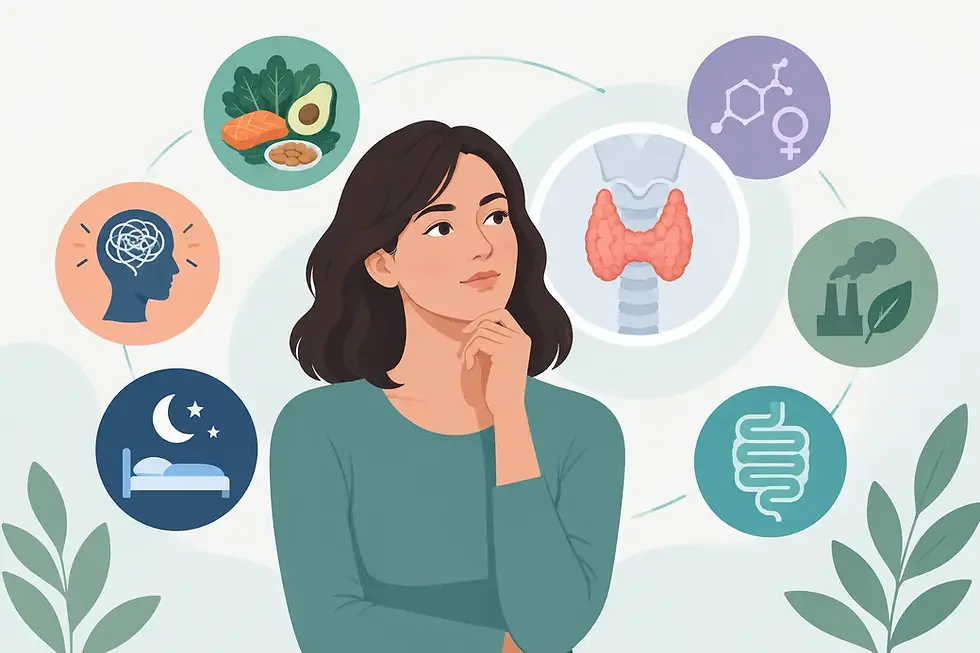
A root-cause-oriented evaluation may consider nutrient depletion, including iron, ferritin, vitamin D, B12, selenium, zinc, and magnesium when appropriate. It may also explore digestive symptoms, blood sugar instability, stress physiology, menstrual changes, sleep quality, environmental exposures, and the foods or habits that consistently leave you feeling worse.
This approach is often more personalized and education-heavy. Rather than simply telling you what to take, a good naturopathic provider helps you understand your labs, notice patterns, and build sustainable changes. That can be deeply empowering when you have spent years believing you are stuck with your symptoms.
Still, personalization should not become guesswork. Not every symptom is caused by the thyroid, and not every natural remedy is safe or effective for every person. A responsible naturopathic approach uses targeted testing, clear clinical reasoning, and follow-up rather than a one-size-fits-all supplement plan.
Medication and natural support can work together
One of the most harmful beliefs in thyroid health is that you must choose a "natural" path or take medication forever without asking questions. In reality, many people benefit from both thyroid hormone replacement and lifestyle-based support.
If you have hypothyroidism, medication may provide the hormone your body needs. Nutrition, stress support, sleep, movement, toxin reduction, and carefully selected supplements may help address factors that influence inflammation, nutrient status, energy, digestion, and overall well-being. These strategies may support your body, but they are not a reason to stop medication on your own.
In fact, as your diet, supplement routine, weight, inflammation, or health status changes, your medication needs can change too. That is why repeat lab monitoring and coordinated care matter. Taking too much thyroid hormone can contribute to palpitations, anxiety, bone loss, and heart rhythm problems. Taking too little can leave you symptomatic and raise other health risks.
If you use supplements, be transparent with your prescribing clinician. Biotin, for example, can interfere with certain thyroid lab tests. Iodine is another area that requires caution. While iodine is necessary for thyroid hormone production, high-dose iodine can aggravate thyroid dysfunction in some people, particularly those with autoimmune thyroid disease.
What a truly comprehensive thyroid workup may include
The right testing depends on your history, symptoms, medications, and diagnosis. But when symptoms persist, it can be reasonable to ask whether your evaluation has looked beyond TSH alone.
A comprehensive conversation may include TSH and free T4, with free T3 considered in certain situations. Thyroid antibodies can be useful when Hashimoto's or Graves' disease is suspected. A thyroid ultrasound is not needed for everyone, but it may be appropriate if you have enlargement, nodules, neck pressure, trouble swallowing, or abnormal findings on an exam.
It can also be helpful to investigate conditions that mimic or worsen thyroid symptoms. Low iron stores, anemia, vitamin B12 deficiency, vitamin D deficiency, insulin resistance, sleep disorders, perimenopause, depression, and chronic stress can all contribute to fatigue, brain fog, mood changes, and hair loss.
This is where thoughtful collaboration can make a real difference. Your endocrinologist may manage the medical diagnosis and prescription plan, while a naturopathic doctor can provide more time and support around nutrition, lifestyle, symptom tracking, and foundational wellness. Depending on state laws and your individual needs, the roles of naturopathic doctors vary, so ask clearly about your provider's training and scope of practice.
How to choose the support you need right now
Start with the question: what is missing from my current care? If you have not received a clear diagnosis, have concerning symptoms, need medication management, or have a complex thyroid condition, an endocrinologist or primary care physician may be the right next step.
If you have a diagnosis and are still asking why you feel unwell, naturopathic support may help you investigate the lifestyle and whole-body factors that are often left unaddressed. This can be especially helpful for people with Hashimoto's who want guidance beyond waiting for TSH to change.
Look for providers who welcome questions, explain your results in plain language, and avoid fear-based promises. Be cautious of anyone who tells you to discontinue prescribed medication immediately, claims every thyroid condition can be cured with supplements, or uses a single test to explain every symptom. Healing is rarely that simple, and you deserve care that is both hopeful and grounded.
You can also prepare for appointments by keeping a symptom timeline, bringing copies of past lab work, listing every medication and supplement, and writing down your top three questions. When you are tired and overwhelmed, it is easy to leave without the answers you needed. Preparation helps you stay connected to your own voice.
You deserve care that sees the whole person
Endocrinology can provide essential diagnosis, medication, monitoring, and protection when thyroid disease becomes medically complex. Naturopathic care can expand the conversation to include antibodies, inflammation, nutrition, stress, environmental inputs, and the everyday choices that shape how you feel.
You do not have to settle for being told that persistent symptoms are simply your new normal. Ask thoughtful questions, use medication safely when it is needed, and seek providers who respect both the science of thyroid disease and your lived experience. You hold meaningful power in your health journey, one informed step at a time.


Comments